Best Fertilizers for Trees in Coastal Charleston, SC and Surrounding Areas
Caring for trees in the coastal regions of Charleston, SC, requires the right nutrients and fertilizers to thrive in sandy soils and humid conditions. Homeowners and landscapers across Charleston, Mount Pleasant, North Charleston, James Island, West Ashley, and surrounding areas need fertilizers that support healthy growth, strong roots, and vibrant foliage. Choosing the right fertilizer ensures trees withstand seasonal changes, pests, and the unique climate of the Lowcountry.
What Types of Fertilizers Are Best for Trees in Coastal Charleston?
In Charleston and nearby towns, slow-release fertilizers are highly recommended for trees. These provide nutrients gradually, ensuring steady growth without over-fertilizing. Balanced fertilizers with nitrogen, phosphorus, and potassium help promote healthy leaves, strong roots, and overall tree vitality. Organic options, like composted manure or seaweed extracts, also work well in the sandy, coastal soils common to Mount Pleasant and North Charleston.
How Often Should Trees in Charleston Be Fertilized?
Most trees in the Charleston area benefit from fertilization once or twice a year, typically in early spring and late fall. This schedule helps trees recover from stress caused by heat, humidity, and coastal winds. Regular feeding keeps trees in West Ashley, James Island, and surrounding areas resilient throughout the year.
Are Organic Fertilizers Effective for Coastal Charleston Trees?
Yes, organic fertilizers are effective for trees in Charleston and surrounding towns. They improve soil structure, retain moisture, and provide nutrients without chemical buildup. Compost, bone meal, and seaweed-based fertilizers are especially beneficial in Mount Pleasant and North Charleston where soil conditions can vary significantly.
What Fertilizer Should I Use for Newly Planted Trees in Charleston?
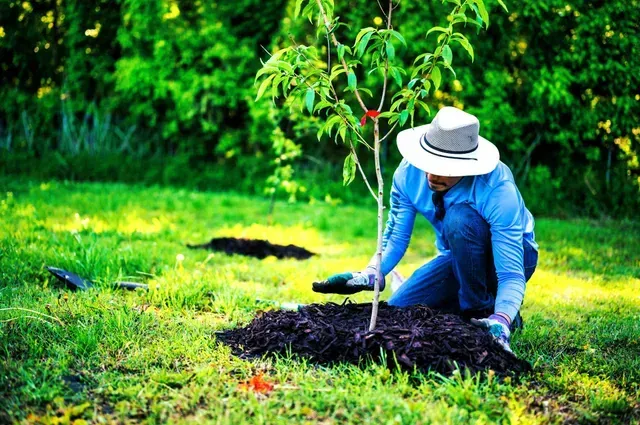
For newly planted trees across Charleston and nearby towns like Summerville and Hanahan, a starter fertilizer rich in phosphorus is ideal. Phosphorus encourages strong root development, helping young trees establish themselves in the sandy soils typical of the Lowcountry region.
How Do I Know My Trees Need Fertilizer in Coastal Charleston?
Signs that trees need fertilization include yellowing leaves, stunted growth, sparse foliage, or weak branches. Trees in coastal areas such as Mount Pleasant or North Charleston may also show stress due to salt exposure or sandy soil nutrient deficiencies. A soil test can confirm nutrient needs before applying fertilizer.
Can Fertilizers Protect Trees From Pests and Diseases in Charleston?
While fertilizers don’t directly prevent pests, healthy, well-nourished trees in Charleston, West Ashley, and surrounding areas are more resilient to insects and diseases. A strong tree canopy and robust root system help reduce vulnerability to local pests and environmental stressors.
Should I Use Fertilizer Granules or Liquid Fertilizers for Charleston Trees?
Both forms work well depending on the tree’s needs. Granules provide long-term nutrition for large trees in areas like James Island or Mount Pleasant, while liquid fertilizers offer quick nutrient absorption for stressed or newly planted trees in North Charleston.
How Can I Apply Fertilizer Safely in Coastal Charleston?
Apply fertilizers evenly around the tree’s drip line, avoiding direct contact with the trunk to prevent burns. Water thoroughly after application to help nutrients penetrate the sandy soils found throughout Charleston and nearby towns. Using slow-release products reduces the risk of over-fertilization and leaching into coastal waterways.
Are There Fertilizers Specifically for Salt-Tolerant Trees in Charleston?
Yes, salt-tolerant trees like live oaks and magnolias thrive with fertilizers high in potassium and micronutrients. These nutrients improve salt stress resistance, making them ideal for areas close to Charleston Harbor and other coastal towns like Mount Pleasant and Folly Beach.
Can Fertilizers Improve Tree Flowering and Fruit Production in Charleston?
Fertilizers enriched with phosphorus and potassium support flowering and fruiting trees across Charleston and surrounding areas. Proper feeding schedules enhance blooms and fruit set, which is especially important for ornamental trees and fruit-bearing species in the coastal Lowcountry environment.
Final Thoughts
Providing the right fertilizer is essential for keeping trees healthy in Charleston, SC, and surrounding areas like Mount Pleasant, North Charleston, West Ashley, and James Island. Properly nourished trees grow stronger, resist pests and diseases, and thrive despite the challenges of coastal soils and climate. Using the correct type of fertilizer, following proper application schedules, and considering soil conditions ensures your trees remain lush, vibrant, and long-lasting for years to come.
What is the best fertilizer for trees in Charleston, SC?
Slow-release fertilizers with balanced nitrogen, phosphorus, and potassium are best. Organic options like compost or seaweed extracts also work well.
How often should I fertilize my trees in Charleston?
Most trees benefit from fertilization once or twice a year, typically in early spring and late fall.
Can I use organic fertilizers for coastal trees?
Yes, organic fertilizers improve soil structure, retain moisture, and provide essential nutrients without chemicals.
Should newly planted trees get a special fertilizer?
Yes, starter fertilizers high in phosphorus help develop strong root systems in newly planted trees.
How do I know if my tree needs fertilizer?
Look for yellowing leaves, slow growth, sparse foliage, or weak branches. Soil testing can confirm nutrient needs.
Address: Charleston County, SC 29412
phone: +1 843-749-4707
Email: [email protected]