Best Practices for Palm Storm Damage Repair in Charleston & Surrounding Areas
Palm trees are a hallmark of Charleston, SC, and nearby towns like Summerville, Mount Pleasant, James Island, North Charleston, and Hanahan. Storms can cause significant damage, leaving palms vulnerable to broken fronds, leaning trunks, or root issues. Understanding proper repair techniques ensures the health, safety, and beauty of your property. Professional storm damage services help residents restore trees effectively while minimizing long-term risks.
What Are the Common Signs of Storm Damage on Palm Trees?
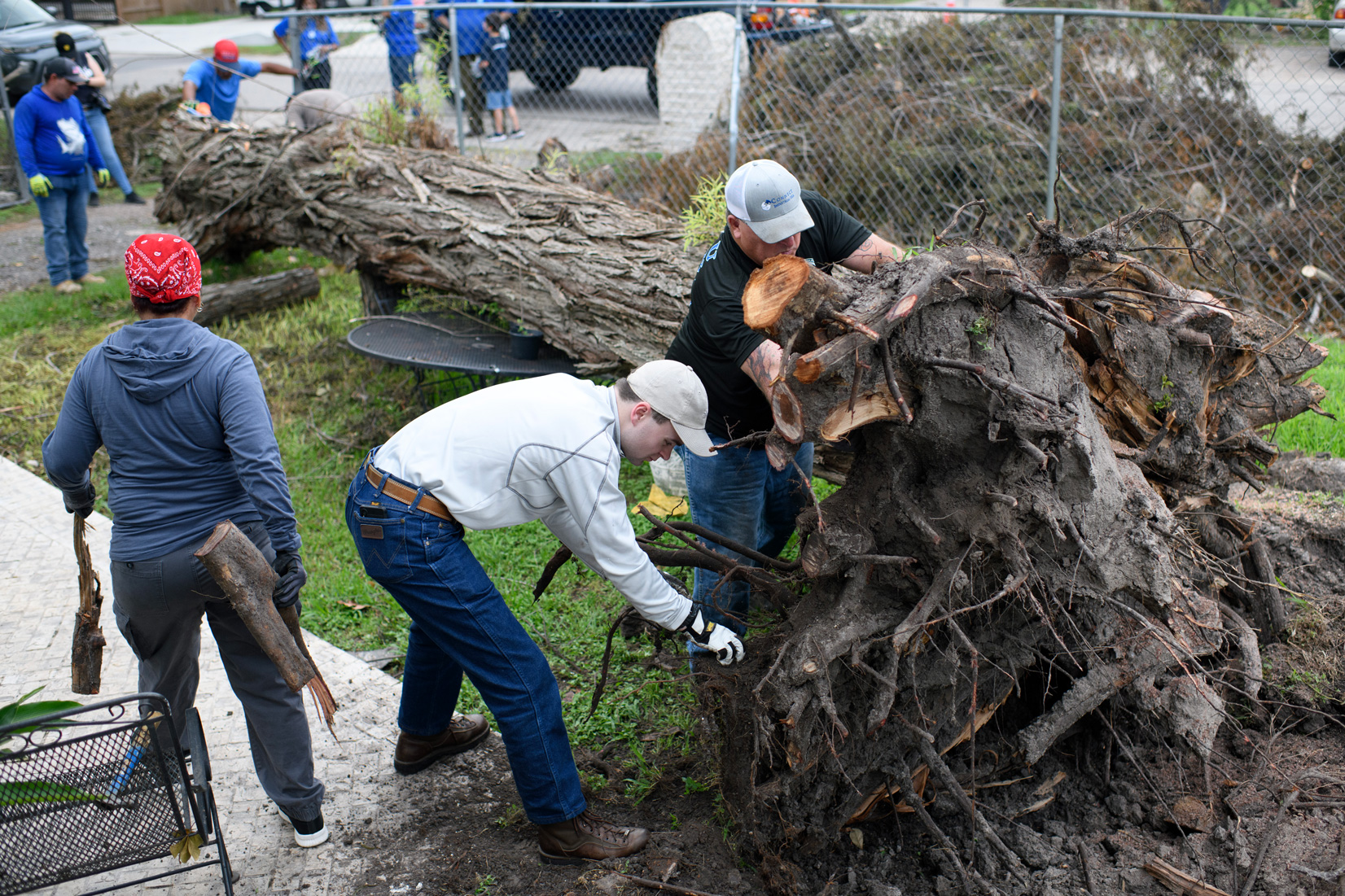
After severe weather in Charleston or surrounding areas like Summerville and Mount Pleasant, palm trees may show broken or bent fronds, split trunks, or uprooting. Yellowing fronds, leaning trees, or exposed roots are indicators that immediate attention is needed. These signs suggest structural instability or health issues, and timely intervention prevents further damage. Residents should carefully inspect palms after every storm to catch early signs before they worsen.
How Do Professionals Assess Palm Storm Damage?
Experts in North Charleston, Hanahan, and nearby towns evaluate palms for structural integrity, root health, and frond damage. They examine the trunk for splits, check for pest infestations, and assess soil conditions. Proper assessment ensures that only necessary trimming, pruning, or bracing is done, preserving the tree's natural growth. Professionals also determine if removal is safer than repair in extreme cases.
What Are the Recommended Palm Tree Pruning Techniques After a Storm?
In Charleston and surrounding areas, proper pruning involves removing broken or dead fronds while avoiding over-trimming, which can weaken the tree. Professionals use specialized tools to prevent injury and ensure clean cuts. Strategic pruning reduces stress on the tree, improves airflow, and minimizes the risk of disease. Residents benefit from safe and efficient maintenance performed by trained arborists.
How Can Palm Trees Be Stabilized After Strong Winds?
Leaning palms or trees with loose roots in Summerville, Mount Pleasant, or James Island may require staking or cabling. Professionals install supports to stabilize trunks temporarily while roots recover. These methods prevent further leaning or falling and promote proper root establishment. Homeowners are advised to avoid DIY staking without expertise, as improper techniques can worsen damage.
When Should Damaged Palms Be Removed?
If palms in North Charleston, Hanahan, or nearby areas have severe trunk splits, root failure, or extensive disease after a storm, removal may be necessary. Professionals evaluate long-term safety, property protection, and aesthetic impact. Removing irreparable trees prevents hazards like falling debris during future storms and allows safe space for replacement plantings.
How Do You Restore Palm Health Post-Storm?
After pruning or stabilization, Charleston residents can restore palms by fertilizing, watering, and monitoring for pests or disease. Applying slow-release fertilizers and ensuring proper irrigation supports regrowth of fronds and strengthens roots. Ongoing monitoring in Summerville, Mount Pleasant, and nearby towns ensures long-term recovery and reduces the likelihood of future storm damage.
Are There Preventive Measures for Palm Storm Damage?
Planting hardy palm species, mulching around roots, and regular maintenance in North Charleston and Hanahan help reduce storm vulnerability. Pruning dead fronds and monitoring soil health strengthens palms against hurricanes and strong winds. Proper planting distances from structures also minimize risk to property.
What Tools and Equipment Are Used for Storm Damage Repair?
Professionals in Charleston and surrounding areas utilize ladders, harnesses, pole saws, and cranes for safe and effective repair. Specialized tools ensure clean cuts, safe removal of debris, and proper handling of large fronds. Homeowners are advised against attempting large-scale repairs without training.
How Do Experts Handle Insurance and Storm Damage Claims?
Many certified arborists in Summerville, James Island, and nearby areas assist with insurance documentation. They provide detailed reports on damage, repair plans, and cost estimates. This support helps homeowners maximize coverage and ensures repairs are properly funded and professionally executed.
How Often Should Palm Trees Be Inspected After a Storm?
Regular inspections in Charleston, Mount Pleasant, and surrounding towns are essential, especially after hurricanes or tropical storms. Experts recommend checking palms immediately after a storm and periodically over the next 6–12 months to monitor recovery. Ongoing assessment prevents unnoticed damage from escalating into safety hazards.
Final Thoughts
Storm damage to palm trees can compromise safety, aesthetics, and property value in Charleston and surrounding areas like Summerville, Mount Pleasant, James Island, North Charleston, and Hanahan. Following expert repair practices—pruning, stabilization, health restoration, and preventive measures—ensures palms recover quickly and safely. Working with local professionals guarantees expert care tailored to the unique needs of coastal palms.
What is the first step after a palm tree is damaged by a storm?
Inspect the tree for obvious hazards like leaning trunks, broken fronds, or exposed roots and call a professional for evaluation.
Can I prune storm-damaged palms myself?
Minor pruning may be possible, but large-scale trimming or stabilization requires professional tools and expertise for safety.
How long does it take for a palm to recover after storm damage?
Recovery varies by species and damage severity, but most palms show significant regrowth within 6–12 months with proper care.
Are some palm species more resistant to storms?
Yes, species like Sabal and Windmill palms are more resilient to high winds and are recommended for coastal areas.
How can I prevent future storm damage to my palms?
Regular maintenance, proper pruning, staking young palms, and choosing hardy species help minimize future damage risks.
Address: Charleston County, SC 29412
phone: +1 843-749-4707
Email: [email protected]