Best Practices for Tree Fertilization in Charleston County SC, and Surrounding Areas
Proper tree fertilization is essential for maintaining strong, healthy trees in residential and commercial landscapes. In Charleston County, trees face unique environmental conditions such as sandy soil, coastal weather, and seasonal storms. Applying the right fertilization techniques helps improve soil nutrients, encourage root development, and promote long term tree health. Homeowners and property managers in Charleston County, including areas like Mount Pleasant, North Charleston, Summerville, and James Island, often rely on proper fertilization methods to support thriving landscapes. Understanding the best practices for tree fertilization ensures that trees receive the nutrients they need while protecting the surrounding environment.
Why is tree fertilization important for trees in Charleston County?
Tree fertilization helps replenish essential nutrients that may be lacking in the soil. Over time, natural elements such as rainfall and plant growth can deplete nutrients that trees require for healthy development. In Charleston County, sandy coastal soils may not always provide enough nutrients for optimal growth. Fertilizing trees helps strengthen roots, improve leaf development, and increase resistance to pests and diseases. Proper fertilization supports healthier landscapes and longer lasting trees.
What nutrients do trees need for healthy growth?
Trees require several key nutrients including nitrogen, phosphorus, and potassium. Nitrogen supports leaf growth and vibrant foliage, while phosphorus helps develop strong root systems. Potassium improves overall plant health and resistance to environmental stress. In Charleston County landscapes, these nutrients are often applied through balanced fertilizers designed specifically for trees. Providing the right combination of nutrients helps trees grow stronger and maintain healthy structure.
When is the best time to fertilize trees in Charleston County?
The timing of tree fertilization plays an important role in its effectiveness. Most arborists recommend fertilizing trees during early spring or fall when root systems are actively absorbing nutrients. In Charleston County, mild climate conditions allow trees to benefit from seasonal fertilization schedules. Avoid fertilizing during extreme heat or drought conditions because trees may struggle to absorb nutrients. Proper timing ensures fertilizers support natural growth cycles.
How is tree fertilizer applied to ensure proper absorption?
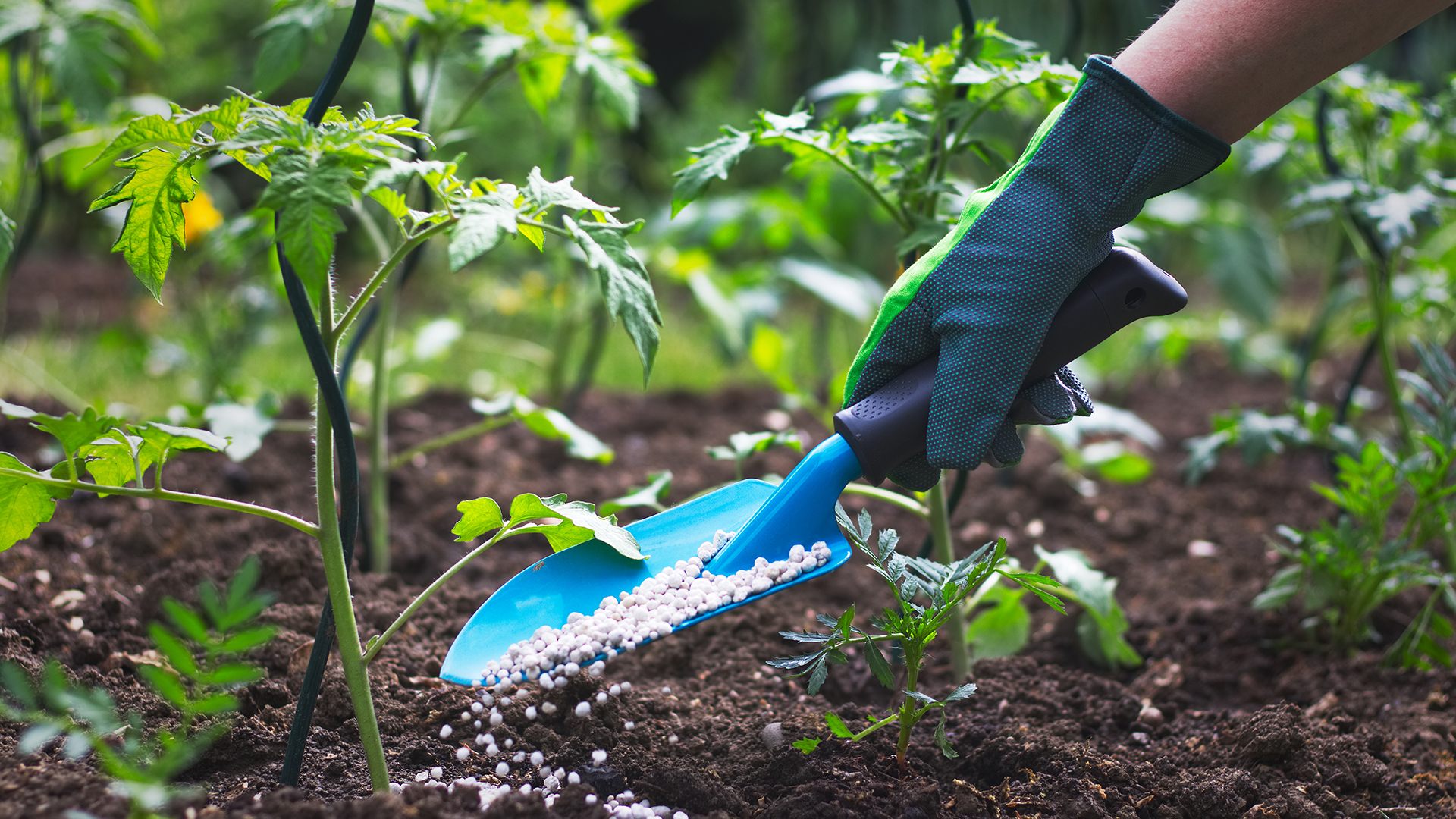
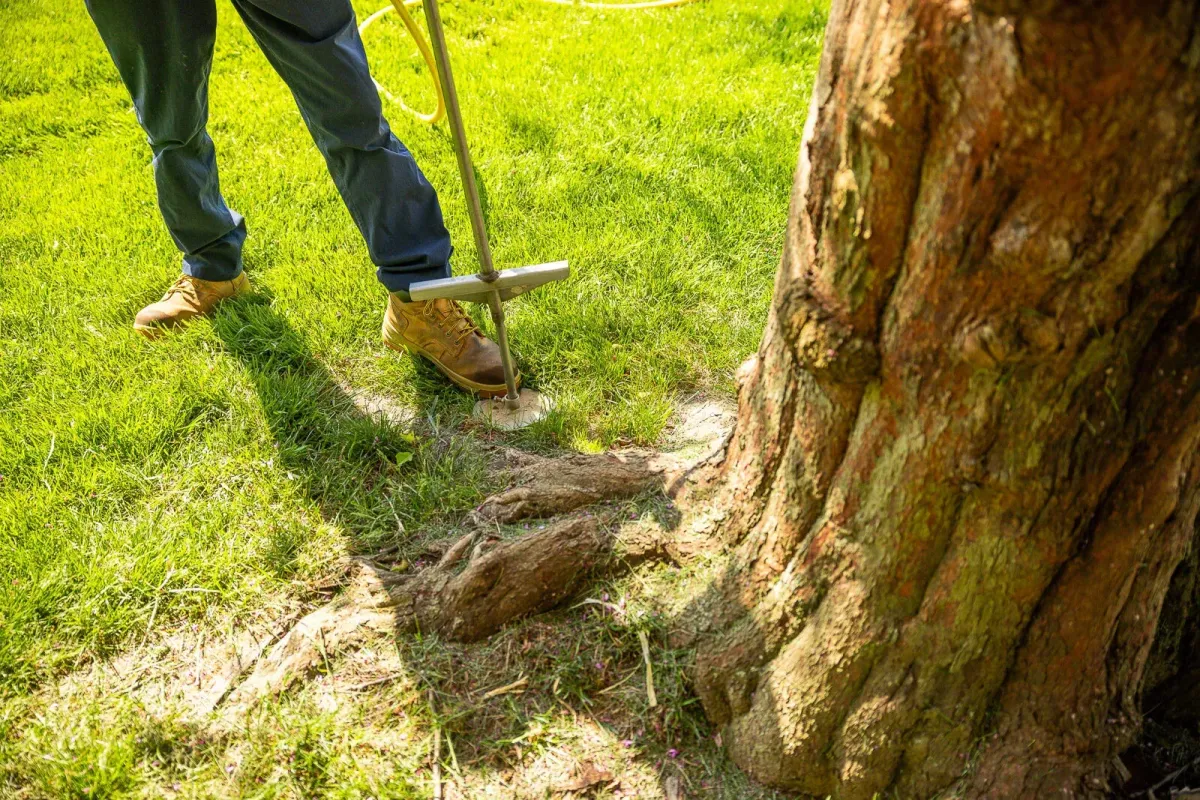
Tree fertilizers can be applied in several ways depending on the needs of the tree and soil conditions. Common methods include soil surface application, deep root feeding, and slow release fertilizer spikes. These techniques allow nutrients to reach the root zone where they can be absorbed effectively. In Charleston County landscapes, professional arborists often use specialized equipment to deliver nutrients directly into the soil. This approach ensures trees receive the nutrients they need without wasting fertilizer.
How do soil conditions affect tree fertilization?
Soil quality plays a major role in how well trees absorb nutrients. Sandy or compacted soils may prevent roots from accessing essential minerals. In Charleston County, coastal soil conditions often require careful nutrient management to support healthy plant growth. Soil testing helps determine which nutrients are lacking and allows arborists to create a customized fertilization plan. Understanding soil conditions ensures fertilization efforts are effective and beneficial.
Can over fertilizing harm trees?
Yes, excessive fertilization can damage trees instead of helping them grow. Too much fertilizer can cause nutrient imbalances, root damage, or excessive leaf growth that weakens the tree. In Charleston County landscapes, responsible fertilization practices are important for protecting tree health. Applying the correct amount of fertilizer based on soil conditions and tree species prevents these problems. Professional guidance can help ensure trees receive the right level of nutrients.
What types of fertilizers are best for trees?
Different types of fertilizers can be used depending on the needs of the tree and soil. Slow release fertilizers are commonly recommended because they provide nutrients gradually over time. Organic fertilizers may also improve soil structure and promote beneficial microorganisms. In Charleston County residential landscapes, arborists often choose fertilizers that match the specific requirements of local tree species. Using the right fertilizer supports steady and balanced growth.
How often should trees be fertilized?
Most trees do not require frequent fertilization once they are established. Many arborists recommend fertilizing mature trees once every one to three years depending on soil conditions and tree health. Young or newly planted trees may require more frequent nutrient support. In Charleston County landscapes, regular inspections help determine when fertilization is necessary. Proper scheduling prevents over fertilization while maintaining healthy tree growth.
Should homeowners fertilize trees themselves or hire professionals?
While homeowners can apply basic fertilizers, professional arborists have the expertise to evaluate tree health and soil conditions accurately. They can perform soil tests and determine the correct nutrient balance for each tree. In Charleston County areas like Mount Pleasant and North Charleston, many property owners rely on certified tree care professionals for proper fertilization. Professional services ensure safe application and long term tree health.
How does tree fertilization improve overall landscape health?
Healthy trees contribute significantly to the beauty and value of residential and commercial properties. Fertilized trees grow stronger roots, produce fuller foliage, and resist pests more effectively. In Charleston County landscapes, proper fertilization supports shade trees, ornamental trees, and fruit bearing species. Maintaining healthy trees also improves air quality and enhances outdoor environments. Balanced fertilization practices help landscapes remain vibrant and sustainable.
Final Thoughts
Following best practices for tree fertilization in Charleston County helps ensure trees remain strong, healthy, and visually appealing throughout the year. Proper fertilization improves root development, supports nutrient balance, and increases resistance to environmental stress. Property owners in Charleston County along with nearby communities such as Mount Pleasant, North Charleston, Summerville, and James Island benefit from responsible tree care practices that promote sustainable landscapes. By understanding soil conditions, choosing the right fertilizers, and applying them at the correct
When should trees be fertilized in Charleston County?
Early spring or fall is typically the best time for fertilization.
Do all trees require fertilizer?
Not always, but trees in nutrient poor soils often benefit from fertilization.
Can fertilizer help trees grow faster?
Yes, proper nutrients support healthy growth and stronger root systems.
How do I know if my trees need fertilizer?
A soil test or arborist inspection can determine nutrient deficiencies.
Is professional tree fertilization necessary?
Professional arborists ensure fertilizers are applied safely and effectively for long term tree health.
Address: Charleston County, SC 29412
phone: +1 843-749-4707
Email: [email protected]